


.png)


Super El Niño Is Here. Here's How We're Keeping Young Forests Alive.
By Diana Castillo Díaz and Marcela Tapias Galvez
How do forest restoration projects ensure a successful planting season, and establish forests that remain resilient in the face of unpredictable climatic conditions?
Weather uncertainty and rising heat in Colombia have become hard to ignore. Days feel hotter, dry spells seem to stretch longer, brief and shallow rains occur, and conversations increasingly turn to water, fires, and when the rains might finally return. Across the country, El Niño is starting to change not only the weather, but also the rhythm of everyday life.
For many people around the world, El Niño first shows up in small ways: changes in heat and humidity, pronounced drought and floods, and closer attention to the forecast. For restoration projects, where weather conditions can determine success or failure, the stakes are especially high.
Key takeaways
- Colombia is experiencing one of its strongest El Niño events since 1950, requiring restoration projects to adapt implementation as conditions change.
- Selecting suitable native species and site-adapted seed sources, while adaptive measures such as hydrogel use, watering, maintenance, and flexible planting schedules may help support young forests during extreme weather events.
- Sembrando Futuro 2.0 combines these long-term and real-time adaptive management approaches to support survival and establishment of young forests.
- Beyond Colombia: Climate change and natural phenomena such as El Niño are creating similar challenges for restoration projects globally, including how to adapt planting calendars, financing, monitoring, and management to increasingly variable conditions.
What makes this El Niño “super”?
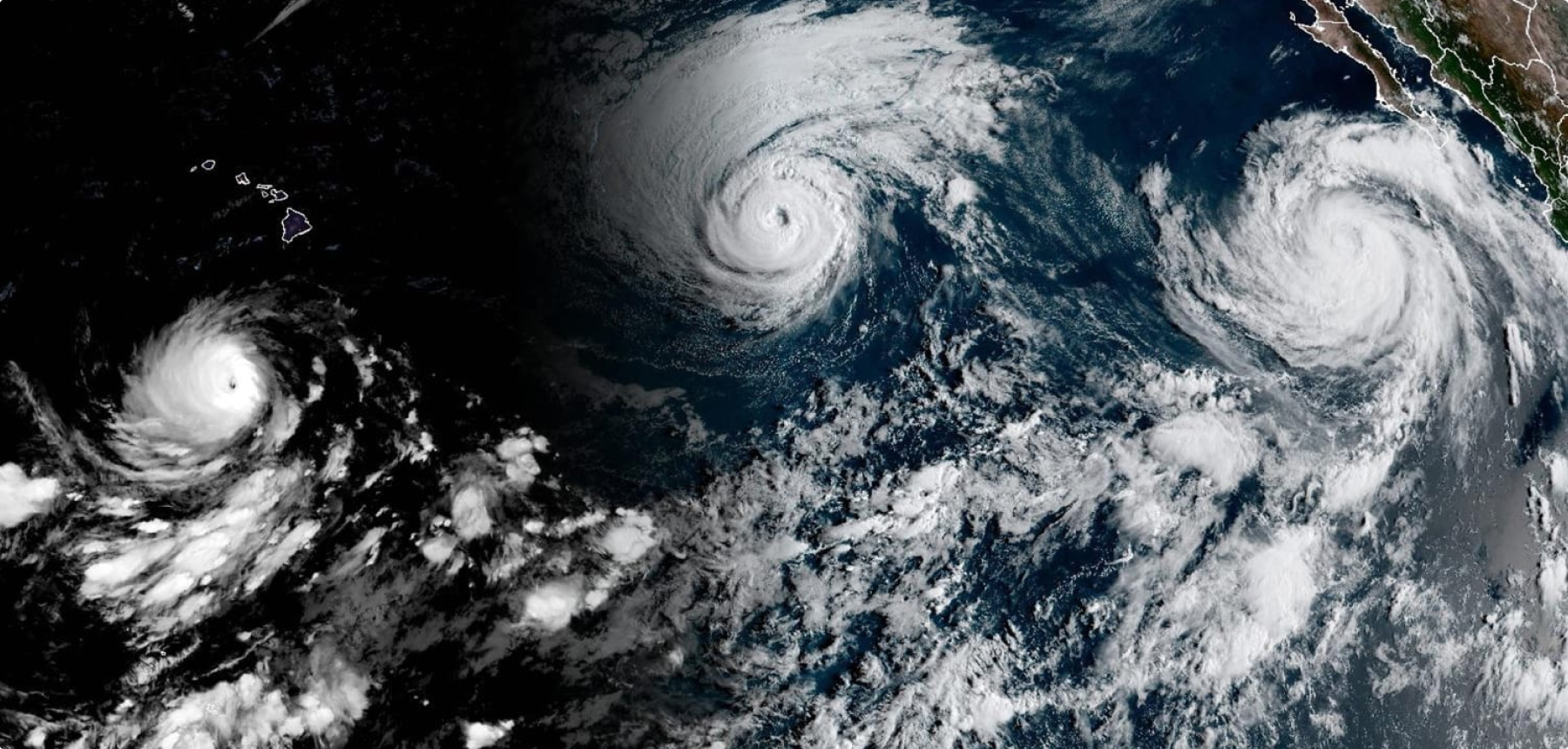
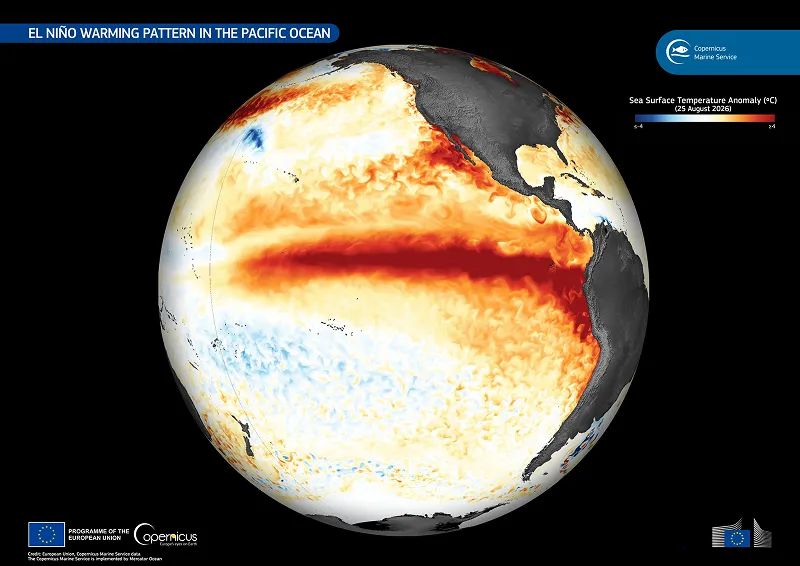
El Niño is a natural warming of the eastern and central equatorial Pacific Ocean that typically develops every two to seven years and temporarily disrupts normal weather patterns across much of the world. A Super El Niño is the more extreme version of the same pattern: ocean temperatures climbing above the previously observed range of temperature increases during past El Niño cycles, with potentially greater disruptions in weather patterns (deeper droughts, hotter heat waves, erratic rain) globally.
The previous two strongest El Niño cycles, in 1997–98 and 2015–16, left lasting damage. The 2015–16 event alone helped drive the longest global coral bleaching episode ever recorded, alongside widespread drought and crop losses across the tropics. Colombia's national weather agency, IDEAM, now puts the odds that this year's event reaches that same “very strong” tier above 80 percent, potentially making it one of the strongest since 1950. The World Meteorological Organization expects conditions to persist well into 2027, warning of intensified droughts, heat waves, and rainfall disruption. As UN Secretary-General António Guterres put it, “El Niño conditions will pour fuel on the fire of a warming world.”
For a restoration project in the early stages, a super El Niño can cause disruptions on a scale large enough to cause massive failures and lost time and funds.
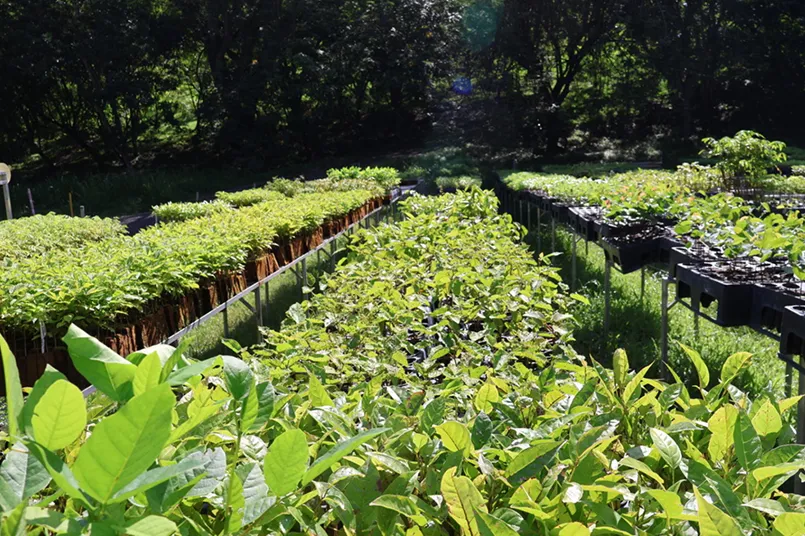
During the first season of a newly planted tree’s life, establishing roots is critical to a seedling's survival and long-term health, which is why restoration projects plant during the rainy season, giving seedlings the best chance to survive and develop strong roots. Consequently, major disruptions to rainfall during the first season of planting can strongly affect seedling establishment and survival, with potential consequences for the long-term restoration trajectory.
That vulnerability isn't new. Young plants have always needed rain, among other resources, to establish. What's changing is how unpredictable the timing and intensity of rainfall can be during an El Niño. That shift is exactly what pushed us to adapt how we operate, before the worst of this year's El Niño even arrived.

Successful Restoration requires Resilience
Under normal conditions, the Sembrando Futuro 2.0 implementation plan schedules much of its fieldwork around Colombia’s natural rainfall cycle. Across much of the Andean region where the project operates, there are two parts to the rainy season, one occurring around April–May and another in October–November. These windows provide the soil moisture young trees need to establish strong root systems during their most vulnerable first months. There is extensive preparation that must occur before the first seedling goes into the ground: sites and landowners are identified, restoration areas are assessed and mapped, site-specific restoration strategies are designed, site-adapted seed sources of native species are selected, seedlings are propagated and prepared in nurseries, and planting and maintenance activities are carefully scheduled based on favorable weather, site conditions and vegetation dynamics.
A strong El Niño can disrupt that entire rhythm. Reduced rainfall, hotter conditions, and declining soil moisture can shorten, or even eliminate, otherwise reliable planting windows, turning a calendar that is normally planned months ahead into a series of decisions that must respond to more variable conditions on the ground. For Sembrando Futuro 2.0, that means knowing when not to plant can be as important as knowing when to plant: putting seedlings in the ground without sufficient, sustained moisture could jeopardize their survival and the long-term resilience of the forest we are working to restore.
Since 2023, the project has planted 650 ha across the Andes region, and the current planting season had a planting target of an additional 350 ha. Over the past planting seasons, the project’s average survival rate is 80% as of July 2026, before the onset of El Niño.
This year’s planting season began early February with soil preparation, and with the growing signs of a strong El Niño, the teams on the ground began planning to adapt the planting strategy in several ways.
Adapting planting schedules
Timing is one of the most critical elements that determine the success of planting. This year, when rains arrived late or fell short, we stopped treating planting dates as fixed. Instead of asking “is it the right week,” our field teams started asking “is the ground wet enough today?” We delayed planting when the answer was ‘no’ and postponed activities when heat and water stress could compromise plant establishment.
This is one example of a broader shift toward more adaptive restoration, using real-time field conditions, monitoring, and ecological signals to inform decisions throughout implementation. Adjusting planting timing based on soil moisture is more than just an operational adjustment - it reflects a larger principle: restoration strategies need enough flexibility to respond when normal patterns are disrupted, particularly as climate conditions become less predictable.
With El Niño expected to persist into 2027, the timing and reliability of the next rainy season remain uncertain. Rather than relying on the calendar alone, planting decisions will continue to depend on actual field conditions and soil moisture.
Preserving soil moisture for longer
We're now applying hydrogel around newly planted seedlings to help hold moisture near their root systems through dry stretches. While not a panacea, hydrogel can increase moisture availability in the critical zone around roots, helping newly planted trees survive periods of unpredictable rainfall and increased heat stress.

We’re intensifying water management
With El Niño increasing the risk of prolonged dry conditions, we are adapting our establishment practices to better protect seedlings during periods of water stress.
Before planting, seedlings are rehydrated in the field by immersing their root balls in large water containers, making sure they enter the soil fully hydrated. Where conditions are especially dry, we add another layer of support: supplemental targeted irrigation, using portable pumps and long hose lines to deliver water near the roots of individual trees and reduce moisture stress during extended drought.

Adaptive management and dynamic monitoring are essential
As El Niño develops, we’re combining field visits, field risk registers, drone flights, fire-susceptibility analysis, and our inter-Monitoring, Reporting and Verification (MRV) pilot to monitor tree growth during earlier stages of establishment, in order to identify how different species and management practices affect establishment, and how to adaptively manage planting sites.
Even before the inter-MRV results were available, field observations and risk assessments – together with the expectation of a stronger El Niño – had already prompted us to adjust management. We began refining maintenance strategies site by site, using field observations and monitoring data to prioritize areas requiring intervention and adapt weed management to local conditions. This included moving beyond ring weeding where needed, with broader vegetation control between planted trees and the targeted use of organic herbicides. In some areas, we’re also using mulch made from plant residues to help retain soil moisture and regulate soil temperature, while fire-risk screening helps guide field inspections.
The inter-MRV is now helping us sharpen those decisions. Despite strong overall survival performance, invasive plant pressure remains a key concern. We pay close attention to the types and abundance of invasive plants at planting sites, as they not only compete with planted native trees but also may raise fire risk. Monitoring data is also helping us identify which species perform best under different site conditions, which are struggling, and what management actions may help native trees establish and thrive in degraded landscapes. Combined with information on extreme weather events, this allows us to better understand where additional support is needed and adapt our restoration strategies accordingly.
We plan to implement this comprehensive monitoring event regularly, not just for project reporting, but also to serve as an early-warning system. The goal is to catch a struggling site while it's still a small problem, not after it's become an expensive one.
Better monitoring allows us to better understand which restoration strategies and operational measures lead to more resilient forests.

Diverse native forests are key to resilience
We planted these sites using carefully sourced native seeds from healthy parent trees with attention to seed origin, ecological conditions, and genetic diversity. These factors are important for establishing resilient forests that are better equipped to cope with environmental variability, including increasingly frequent climate extremes.
We think of it as spreading risk across a portfolio. We plant a diverse mix of species, each suited to the site and playing a different ecological role. A severe dry season may test the forest, but it is less likely to wipe it out. With greater diversity, the forest survives even if some species fail to establish. Restoration efforts that rely too heavily on a few fast-growing species can look successful early on, only to struggle later because they skipped this critical step.
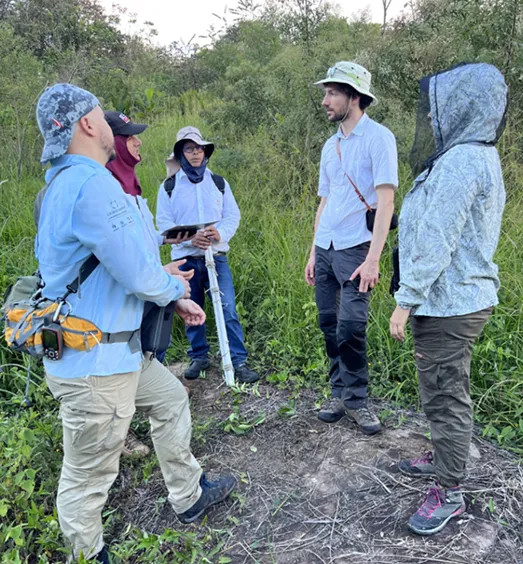
We do not make these species and planting decisions alone. We combine restoration ecology expertise with deep local knowledge through our implementation partner, Fundación Grupo Argos, which works closely with Tekia SAS, a network of local nurseries, and more than 20 landowners participating in the Sembrando Futuro 2.0 project. These landowners are partners in the restoration, bringing generations of experience with the land and an intimate understanding of its microclimates. They know where a steep slope, distinct soil type, or pocket of moisture calls for a different approach than the plot next door.
That is how we are building restoration in Colombia: through strong restoration principles, diverse native species, strong partnerships, engaged landowners, and local knowledge – all connected by an adaptive approach that enables real-time response to field conditions.
Climate Adaptation Beyond Colombia
Sembrando Futuro 2.0 isn't unique in facing these challenges. Across the tropics, restoration projects are facing similar questions as climate risks intensify:
- How should species selection, seed sourcing, and restoration design evolve to build forests that are more resilient to climate extremes?
- How should planting calendars evolve as rainy seasons become less predictable?
- Which drought-adaptation techniques are actually worth the cost?
- How should restoration financing account for climate uncertainty most projects didn't originally budget for?
- What does an early-warning monitoring system look like, and how early is early enough?
Climate change is making restoration harder. It's also making it more necessary. Healthy forests regulate water cycles, stabilize soil, support biodiversity, and build resilience for the ecosystems and surrounding communities. That is exactly why the forests we plant today need to be designed for the conditions they are likely to face in the future, not only those we planned for in the past.
Restoration has always meant thinking decades ahead. This year is a reminder that we also need to keep adapting how we think: the forests we're planting now will grow under conditions that may be different from those we’ve worked in before, and it's our job to prepare them for that.
Stay Connected
Want to keep up with what we're learning, building, and exploring?
Subscribe to The Understory, our podcast featuring candid conversations about the future of nature restoration, and sign up for our newsletter to receive the latest stories, insights, and updates from the field.
Follow Terraformation on social media:
- LinkedIn: Terraformation
- Instagram: @globalterraform
- X: @TF_Global
- Facebook: Terraformation
And to go deeper on any of the above, reach out: info@terraformation.com.


