

.png)


Shaping Solutions for Climate, Communities, and Biodiversity
September 22, 2026
New York Climate Week
Bryant Park Area
8:00 AM – 2:00 PM
September 22, 2026
New York Climate Week
Bryant Park Area
8:00 AM – 2:00 PM

When a forest comes back, everything comes back with it: species, watersheds, livelihoods, and the communities whose futures are bound up in the land. The scale of reforestation the planet needs and the pace at which it's happening are nowhere close. We know this.
So how do we accelerate the pace and scale of reforestation?
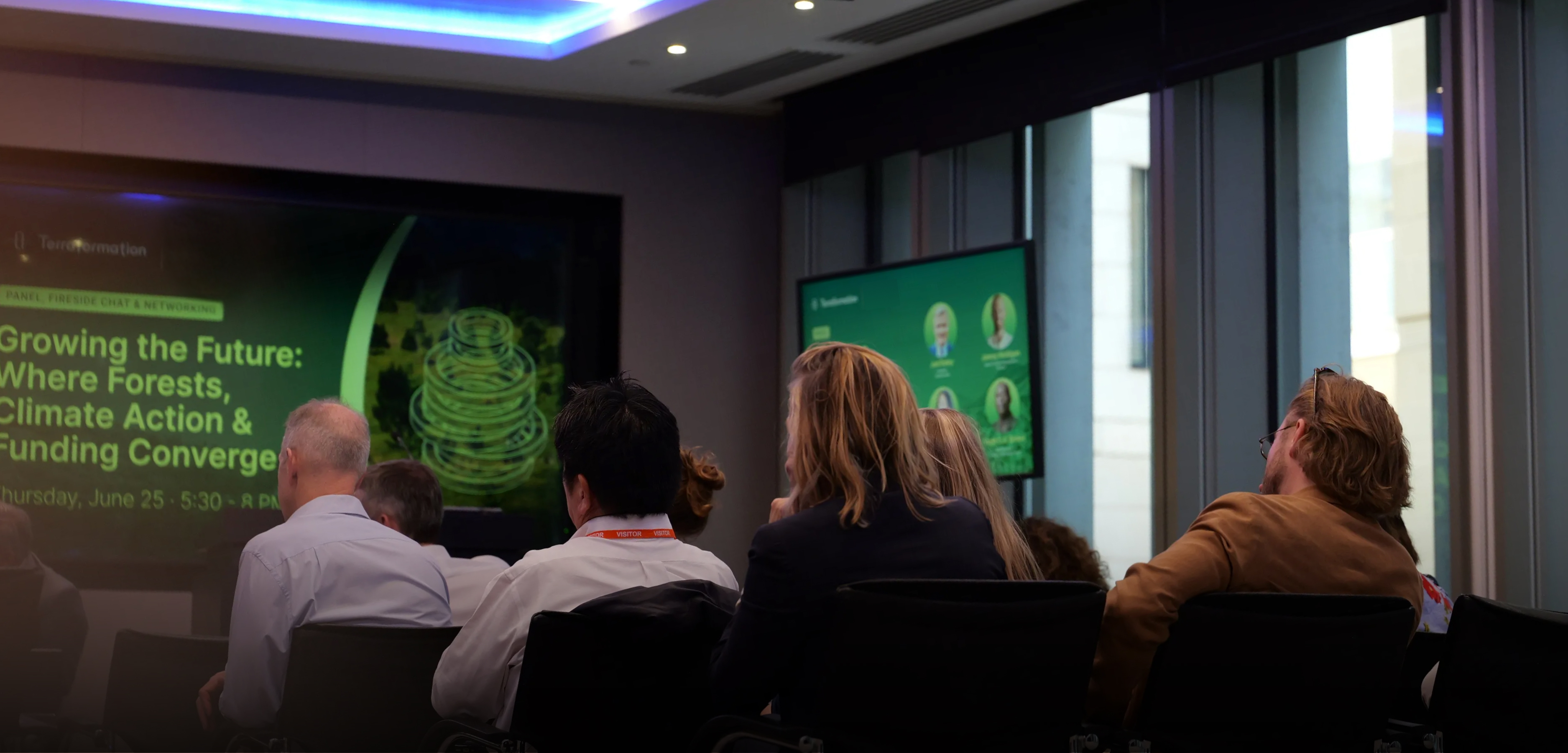
Taking place during New York Climate Week, Reforest the Future brings together practitioners, funders, community leaders, and indigenous voices to actively tackle that question together.
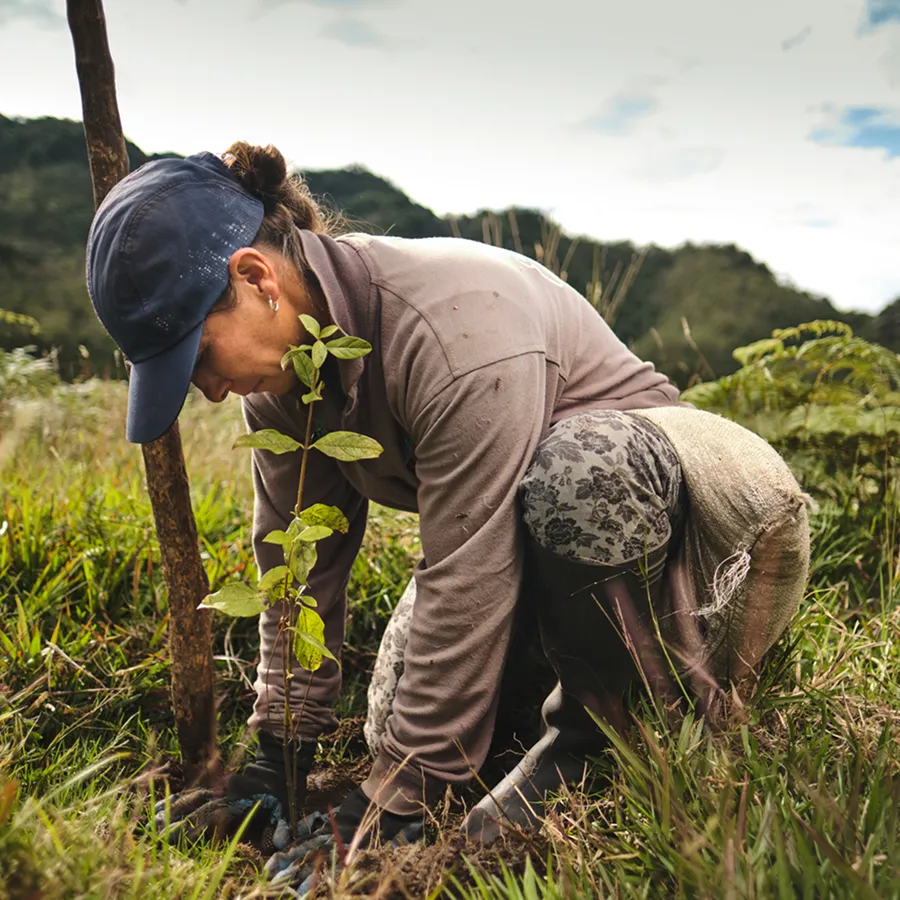
Three concurrent tracks running in parallel, each designed to advance thinking in a critical dimension of reforestation at scale.
TRACK 01: FINANCE

Investment models, blended finance, and how capital structures can move restoration from concept to funded and delivering on the ground.

TRACK 02: TOOLS, TECH & TRAINING

Seed systems, project deployment, monitoring technology, and the training pipelines needed to build real capacity.
TRACK 03: COMMUNITIES

Centering Indigenous and local communities, and the practices that make restoration equitable, locally rooted, and enduring.
Every delegate is here because they are moving something forward.
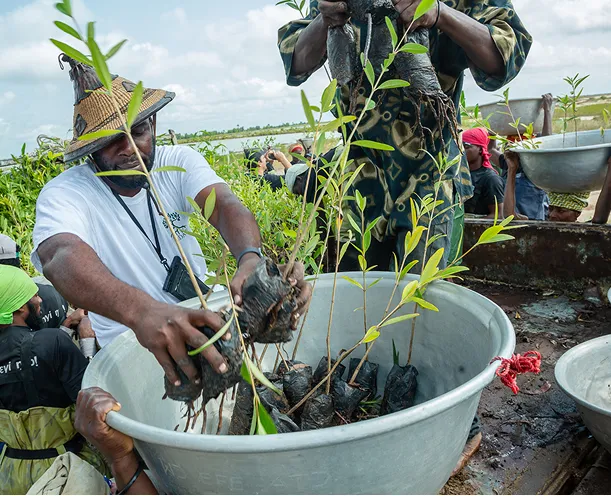
Organizations with active reforestation programs and boots on the ground.
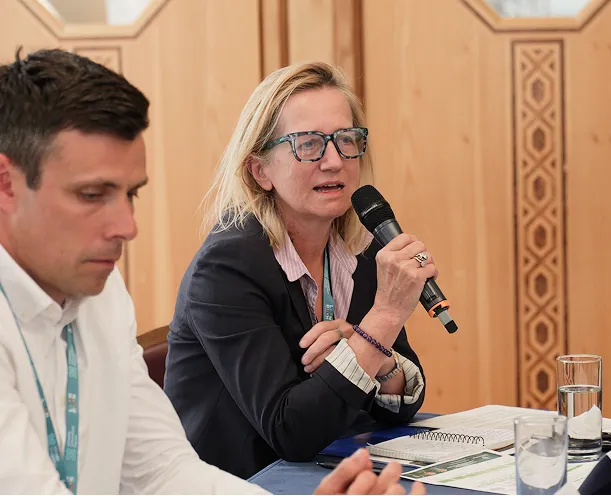
Philanthropies, impact investors, and blended finance partners deploying capital into restoration.
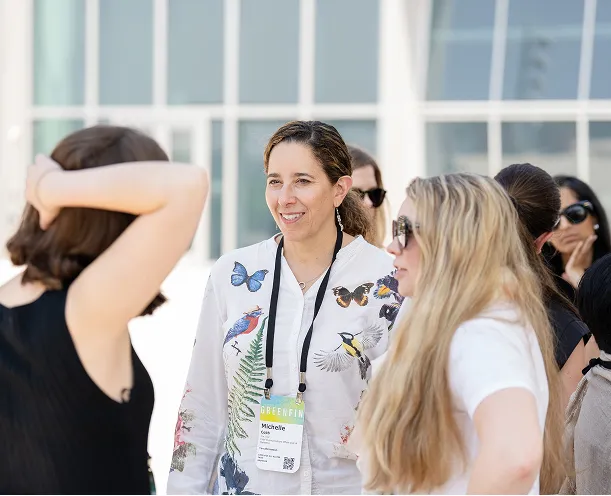
Companies with real supply chain and nature commitments and the mandate to follow through.
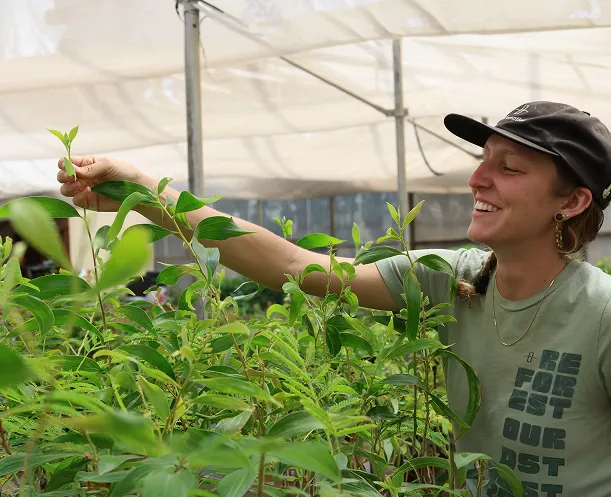
Building the tools, technology, and training infrastructure that makes restoration at scale possible.
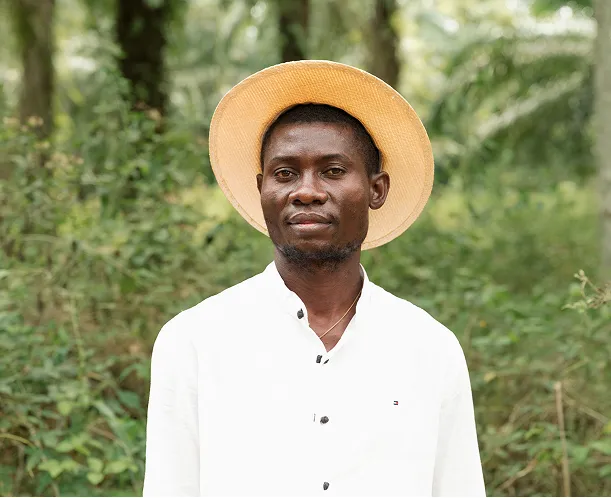
Indigenous and local community representatives who hold the land rights and generational knowledge.
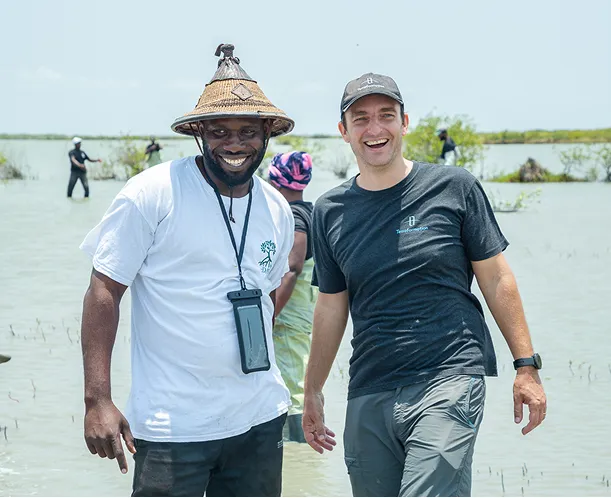
Fellow project developers, standards bodies, and practitioners who understand delivery.
Reforest the Future brings together stakeholders across the reforestation ecosystem to share hard-won lessons, examine diverse perspectives, and work through finance, delivery, and community systems together.
Make meaningful connections with practitioners, funders, community leaders, and partners working across the different dimensions of restoration
Contribute to the collective thinking on how reforestation gets financed, delivered, and owned
Turn insights and discussions into tangible progress, with conversations grounded in what restoration demands across the sector
Reforest the Future is an invitation-only summit. We review each application to ensure the room reflects a diverse set of stakeholders with the experience, expertise, and conviction to meaningfully contribute to the conversation.

Sessions across finance, tools and technology, and community
Cross-sector conversations grounded in experience
Hard-won lessons and diverse perspectives
Partnering on Reforest the Future connects your organization to the stakeholders across the reforestation ecosystem driving the field forward, and signals your commitment to advancing the collective effort. The sponsorship and promotional partnership opportunities offer different levels of involvement and visibility to fit your organization's role in the movement.
Or email us at partnership@terraformation.com
Terraformation builds the enabling layer for the global reforestation movement. We equip the people closest to the world's forests — local communities and forestry organizations — with the tools, training, finance, and innovation they need.
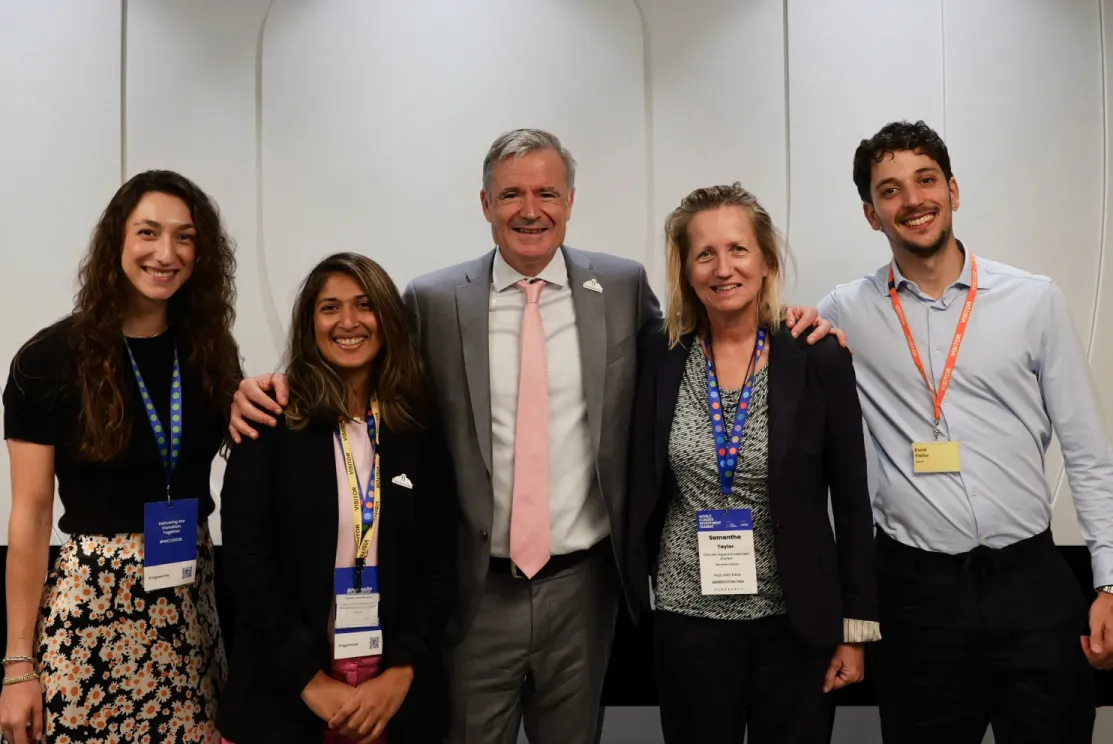
The summit opens with breakfast and a keynote, moves into 3 concurrent thematic tracks, and ends with a closing luncheon.
Room: 2nd Floor Lobby
Room: 2nd Floor Lobby
Reforest the Future is an invitation-only summit. We review each application to ensure the room reflects a diverse set of stakeholders with the experience, expertise, and conviction to meaningfully contribute to the conversation.
Sessions across finance, tools and technology, and community
Cross-sector conversations grounded in experience
Hard-won lessons and diverse perspectives
Three concurrent tracks, each focused on a key lever to scale up reforestation: finance, tools & tech, and communities.
The day opens with Terraformation President Jad Daley and fellow reforestation leaders speaking on where the field stands, what this moment calls for, and what the day ahead will bring.
Learn MoreTIME
ROOM
Brazil's reforestation finance model offers a clear lesson: it takes more than a single type of capital, government, philanthropy, or private investment to accelerate and scale forest restoration. Government action and philanthropic investment build the capacity and lay the groundwork; that groundwork is what makes private finance possible. This session examines what a functioning "country platform" for nature-based solutions looks like: the legal and policy frameworks, the sequencing of capital, how to de-risk, and approach to take to replicate that flow in regions like the Congo Basin, where capital has historically been hardest to deploy but hosts some of the most ecologically critical reforestation opportunities.
Learn MoreTRACK
TIME
FORMAT
ROOM
What does durable, biodiverse reforestation entail when you're building it from the ground up, and where is the science still evolving? Drawing on lessons from projects including Terraformation’s Hawaii site, this session explores what community-scale restoration reveals about seed systems, species selection, and monitoring in practice. The panel surfaces the open questions the field is still working through.
Learn MoreTRACK
TIME
FORMAT
ROOM
Opens with a short film on Terraformation’s project in Cameroon, followed by a conversation about what responsible pre-implementation entails: mapping customary land and resource rights, understanding existing livelihoods, and building community-driven consent processes. The panel examines the approach needed to get the groundwork right before a single tree is planted, and why investing in this phase strengthens the foundation for long-lasting reforestation.
Learn MoreTRACK
TIME
FORMAT
ROOM
Funders from different sectors dive into what's crossing their desks right now. Each shares the types of forestry projects they're seeing, what draws them to specific opportunities, and at what stage they typically get involved and why. The session provides practitioners and funders a real-time picture of where different types of capital are looking, what gaps exist, and what the current appetite for reforestation investment actually looks like across the funding landscape
Learn MoreTRACK
TIME
FORMAT
ROOM
Restoration technology is changing what's possible in how we track, verify, and understand forest recovery. This session brings that to life through technology presentations, showing how different tools and data systems can work together to build a more complete picture of restoration efforts. The presenters then step back to discuss where monitoring technology is heading, where standards are still evolving, and what the field needs to align on to raise the bar on what gets measured and why.
Learn MoreTRACK
TIME
FORMAT
ROOM
Getting community engagement right before a project launches is one thing. Sustaining indigenous leadership and local ownership once implementation is underway is another challenge entirely. Benefit-sharing structures, funder requirements, and decision-making processes can shift in ways that dilute ownership that looked solid on paper. This session draws on restoration experiences from around the world to examine what real ownership looks like under real operating conditions. The panel closes with a single forward-looking question to each speaker: if community-owned restoration is the norm twenty years from now, what needs to change starting today?
Learn MoreTRACK
TIME
FORMAT
ROOM
Reforestation organizations and funders sit down to work through bringing capital together for reforestation. Using a structured conversation guide for group discussions, attendees examine how different types of capital can come together, surfacing the questions, barriers, and potential entry points each funder type brings to the table.
Learn MoreTRACK
TIME
FORMAT
ROOM
A workshop designed to surface real implementation challenges and collectively work toward solutions, using Terraformation's projects as a starting point. Drawing on the diverse expertise of practitioners and organizations in the room, small groups dig into specific challenges and solutions across seed systems, planting, monitoring, restoration technology, and more.
Learn MoreTRACK
TIME
FORMAT
ROOM
Community-based economic models are widely championed in reforestation, but are they delivering real returns to the communities they're designed to serve? This session puts the question directly to the room. Attendees break into small groups to work through specific examples, examining how community benefits get structured in practice and what it takes for these models to hold up over time.
Learn MoreTRACK
TIME
FORMAT
ROOM
The day closes over lunch with closing remarks from reforestation leaders, reflecting on the day's conversations and what comes next.
Learn MoreTIME
ROOM
Reforest the Future is an invitation-only summit. We review each application to ensure the room reflects a diverse set of stakeholders with the experience, expertise, and conviction to meaningfully contribute to the conversation.
Sessions across finance, tools and technology, and community
Cross-sector conversations grounded in experience
Hard-won lessons and diverse perspectives
Meet the researchers, community leaders, and system architects guiding active programs around the globe.

Hindou Oumarou Ibrahim is a visionary environmental activist and member of the Mbororo pastoralist community in Chad. Since age 12, she has championed Indigenous rights and nature conservation, founding the Association for Indigenous Women and Peoples of Chad (AFPAT). In the Sahel region, Hindou empowers Mbororo women through alternative income initiatives and pioneers participatory 3D mapping to resolve resource conflicts and protect land rights. A global leader in climate policy, she has served as co-chair of the International Indigenous Peoples Forum on Climate Change and is a UN Sustainable Development Goal Advocate. Hindou bridges the gap between local wisdom and international science, advocating for the integration of traditional knowledge into global climate strategies. Her impactful work has earned prestigious honors, including the Rolex Award for Enterprise and recognition on the BBC and TIME 100 lists.
Sessions:

Jerome Foster II is an environmentalist, social entrepreneur, and public speaker who believes a healthy planet is a human right, not a privilege, driven, in his words, "to speak for that which cannot speak, against those who do unspeakable things." Before he was old enough to vote, he led 80 consecutive weeks of climate protests outside the White House alongside Greta Thunberg; at eighteen, he was brought inside as the youngest advisor in US history, serving on the White House Environmental Justice Advisory Council through 2025. At sixteen, he served as a congressional intern under Congressman John Lewis and founded OneMillionOfUs (now WaicUp.org), mobilizing a million young voters. Named a TIME Next Generation Leader and UN Champion of the Earth, and studied in the Cambridge University curriculum as a modern historical figure, Foster continues to work on frontline climate and conservation efforts, including a global reforestation mission.
Sessions:

CEO, Global Forest Generation
Florent Kaiser is a conservation entrepreneur and CEO of Global Forest Generation. He co-leads Acción Andina, an Andes-wide initiative dedicated to large-scale forest ecosystem restoration and conservation. Leveraging his expertise in financing and scaling over 200 global projects, he builds strategic alliances with international partners to implement transformative ecosystem solutions. Under his leadership, Acción Andina has earned prestigious recognition, including the 2023 Earthshot Prize and 2024 designation as a World Restoration Flagship initiative.
Sessions:
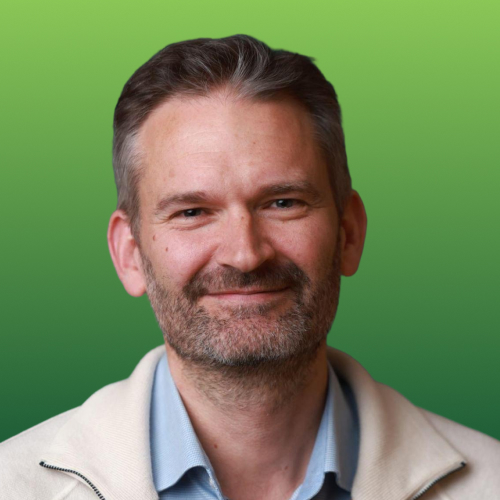
VP, Climate Action, Salesforce
Tim Christophersen joined Salesforce as VP, Climate Action in May 2022. Within the global Impact Team, he leads the work on climate and nature action and investments. Tim is based in Denmark. He is the author of ‘Generation Restoration’, a book about restoring nature at planetary scale. Before joining Salesforce, Tim was Head of the ‘Nature for Climate’ Branch at the United Nations Environment Programme (UNEP), and led a growing global movement backed by all UN Member States and over 300 partner organizations to ‘prevent, halt and reverse the degradation of ecosystems worldwide’: the UN Decade on Ecosystem Restoration 2021-2030.
Sessions:
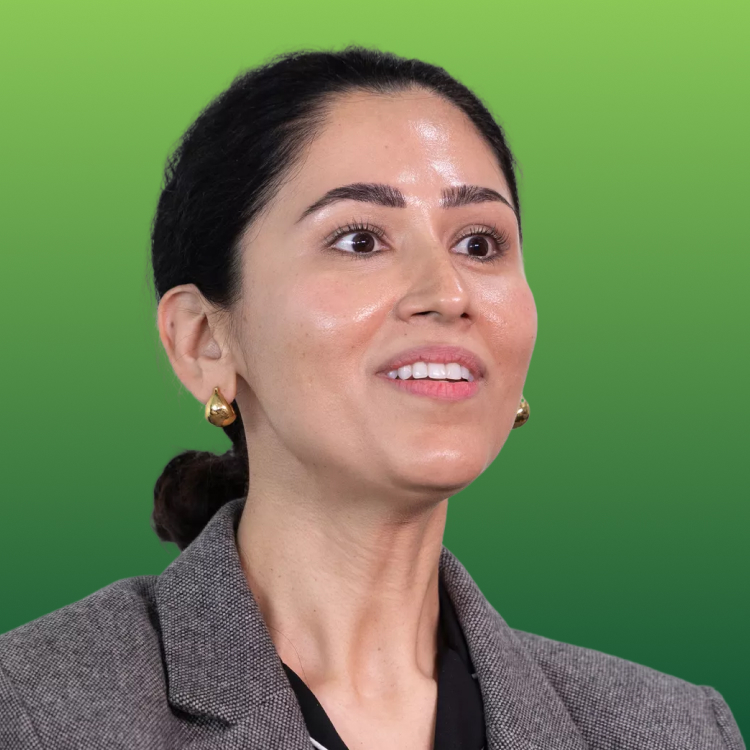
Co-Founder, Farmers for Forests
Arti Dhar is the Co-Founder of Farmers for Forests (F4F), an organization on a mission to protect and restore biodiverse green cover in India in close partnership with agrarian and indigenous communities and leveraging open-source AI/ML models. Arti leads fundraising, research, and strategic partnerships, and has helped grow F4F to over 170 staff and 25,000 farmers. Before F4F, Arti worked on rural women's financial inclusion and education across South Asia. Arti has a Master's in International Development from Cornell University and BA in International Relations and Politics from Mount Holyoke College.
Sessions:

Senior Advisor, Landscape Alliance
Cathy Watson is an Ashoka Fellow, journalist and social entrepreneur with 40 years’ experience in Africa, reporting from Rwanda, Burundi, Ethiopia, Madagascar and Uganda where she also founded NGOs: Straight Talk produced newspapers in four indigenous languages and radio shows in 16; Mvule Trust was a Guardian Christmas Charity and supported 3400 youth on courses, including 156 foresters. Now Senior Advisor at Landscape Alliance in Kenya, she has worked across the Global South from Peru to Vietnam. She is particularly exercised by seed systems for indigenous species and restoration in cocoa, refugee-hosting and urban landscapes. In Nairobi, she has created green jobs and a biodiversity corridor with over 140 tree species. Editor of the 2026 compendium Urban Forests and Green Spaces in Africa: Case Studies and Lessons from Across the Continent, Cathy believes Africa’s future lies in the hands of its botanists.
Sessions:
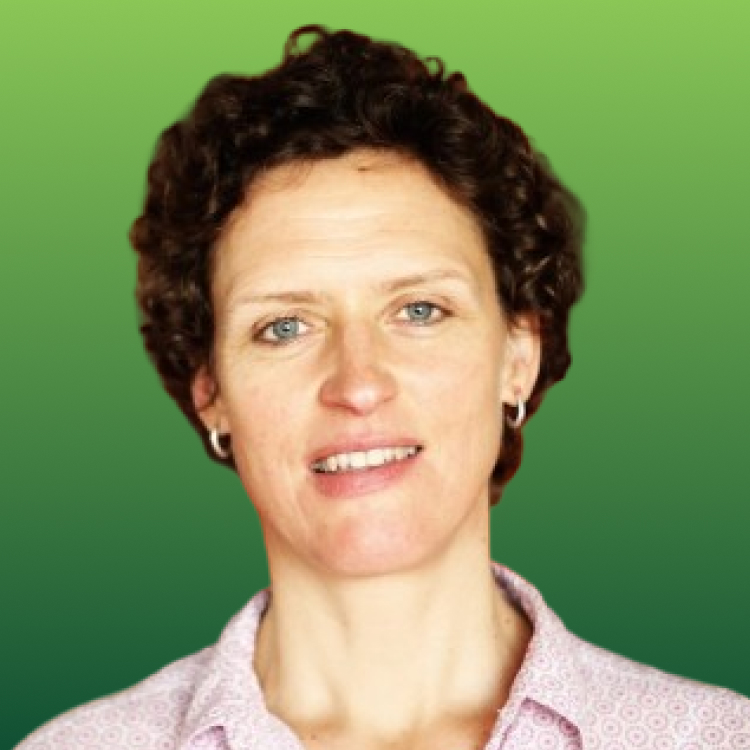
Head of Seed Collections, Royal Botanic Gardens Kew
Charlotte oversees the Millennium Seed Bank’s collections—the most diverse wild plant genetic resource on Earth, representing more than 40,000 species. She has held senior roles at the Crop Trust overseeing the CGIAR genebanks and worked at Bioversity International in France, the UN Environment Programme World Conservation Monitoring Center in the United Kingdom and the Jane Goodall Institute in Tanzania.
Sessions:

Director of Scientific Communications and Certified Forester, Procter & Gamble
Chris Reeves is a Certified Forester and the Director of Scientific Communications for P&G’s paper business, including Charmin, Bounty and Puffs brands. In his role, he helps drive P&G’s commitment to responsible sourcing of wood-pulp, specifically the team’s ambition to increase Forest Stewardship Council wood pulp sourcing. Some of Chris’ work at P&G includes leading relationships with NGO partners like the Arbor Day Foundation, Rainforest Alliance and World Wildlife Fund. Through WWF, Chris and the team have piloted a risk analysis of forests in Canada, contributed to mapping primary forests, and piloted satellite monitoring of Intact Forest Landscapes. He also partners with the Forest Stewardship Council to increase certified acreages by funding group certificates to make certification more affordable for more landowners and engages suppliers in both annual supplier summits and regular meetings to share sustainability goals, plans and best practices.
Sessions:

CEO, NatureMetrics
Dimple Patel is a multi-exited Founder and entrepreneur, currently CEO at NatureMetrics, the leading provider of nature data intelligence solutions. NatureMetrics harnesses transformative technologies like environmental DNA and AI to generate unprecedented biodiversity insights for businesses and governments globally, and has been recognised as a World Economic Forum Tech Pioneer 2024, BloombergNEF Pioneer 2024 and Earthshot Prize Finalist 2024. With 15yrs experience founding, scaling and exiting multiple successful ventures, such as Love Koffee and Trouva, Dimple’s work spans across multiple sectors and geographies. She has led teams through international expansions and acquisitions, with her previous company Trouva ranked #1 in the Startups 100 list in 2020, and operating in 50 markets at exit. Dimple is deeply passionate about creating social impact and actively supports underrepresented founders as a mentor and advisor. She also serves as an ambassador for grassroots organisations that provide opportunities for young people. Dimple regularly shares her expertise through articles for publishers such as Impact Investor, BBC, Drapers magazine and Sifted.
Sessions:

Chief Executive, Forestry Commission, Ghana
Dr. Hugh Clement Adokwei Brown is a professional forester with over 30 years of experience in tropical forest management, protection, and development. He holds a BSc. in Natural Resources Management and an MBA from the Kwame Nkrumah University of Science and Technology, Ghana; Masters in Forestry (MF) from Yale University, U.S.A.; and a Ph.D. in Sustainable Use of Renewable Natural Resources from the University of Helsinki, Finland.
Sessions:

Chief Science Officer, Rubicon Carbon
Dr. Jennifer Jenkins is the Chief Science Officer at Rubicon Carbon, responsible for ensuring the quality and integrity of the projects and products offered by the firm. In 2007, she was part of the IPCC team of scientists that won the Nobel Peace Prize for their work on climate, along with former Vice President Al Gore. Dr. Jenkins led the work that culminated in the “Jenkins Equations,” the widely accepted method for estimating tree biomass from diameter in the US. She has a technical background in carbon cycling and ecosystem science and over 25 years of experience across government, academia, and the private sector. She holds degrees from the University of New Hampshire, the University of Maryland, Yale University, and Dartmouth College.
Sessions:

Founder and CEO, Genvision
Emiel Cockx is the Founder and CEO of Genvision, an AI-native carbon project development platform that helps teams design, review, and get carbon projects compliant. Born in Belgium, he earned degrees in cello from the Royal Conservatory of Brussels and then architecture at UC Berkeley, thus bringing an unusual blend of architecture and music to his work in carbon. He's been personally offsetting his carbon footprint for more than 10 years and is passionate about leveraging technology to bring better projects to market faster.
Sessions:

Managing Director for Land, Environment, and Climate, Namati
Erin Kitchell is the Managing Director for Land, Environment, and Climate at Namati. She leads on strategy and learning for grassroots environmental justice initiatives that support communities to know, use, and shape the law. She is currently building out programs related to tenure rights, community-led conservation, and carbon markets. Erin has more than 15 years of experience leading research and supporting community-based work on land rights and environmental governance in the U.S., Africa, and Asia. She has a PhD in Geography from the University of Wisconsin-Madison.
Sessions:
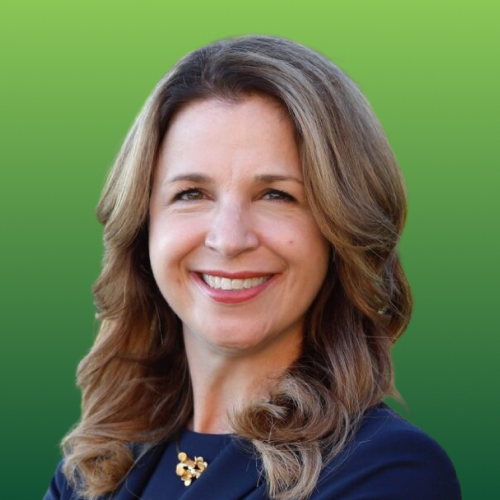
CEO, American Forests
Hilary Franz is the President and CEO of American Forests, the nation's oldest nonprofit dedicated to forest stewardship and conservation, where she leads bold initiatives across 45 states to restore forests, end the wildfire crisis and ensure tree canopy for every community. Before joining American Forests, she served two terms as Washington State's Commissioner of Public Lands where she developed the state's first Wildfire Strategic Plan and Forest Health Plan and restored over one million acres of forest. With nearly three decades of experience spanning natural resources conservation, public service and nonprofit leadership, Franz is a nationally recognized champion for climate resilience.
Sessions:

Program Officer, Hewlett Foundation
Jim Stephenson is a Program Officer in the Environment Program at the William and Flora Hewlett Foundation where he leads grantmaking on climate finance and oversees the Foundation’s multilateral portfolio within its global climate strategy. Jim brings nearly two decades of experience advancing climate and nature finance, with a track record spanning forest and land-use, nature-based solutions, and sustainable supply chains in regions including Latin America, Africa, and Asia-Pacific. Before joining the Foundation, he co‑founded Terranomics, a specialist consultancy that helps design and raise capital for high‑impact climate and biodiversity initiatives. Previously, he held roles in Pricewaterhouse Coopers’ Sustainability & Climate Change team and RECOFTC – The Center for People and Forests.
Sessions:

Vice President of Climate Finance, American Forest Foundation
John Ringer is Vice President of Climate Finance at the American Forest Foundation, where he leads investment and market strategies that support large-scale forest conservation and carbon initiatives. With more than 14 years of experience in climate finance, environmental markets, and natural climate solutions, he has worked with investors, corporations, landowners, and conservation organizations to develop innovative approaches that align financial returns with measurable environmental impact.
Sessions:

Founder and Executive Director, Symbiosis Coalition
Julia founded and leads Symbiosis Coalition, the more than 20 million tonne advance market commitment to catalyze the next generation of nature-based carbon removal projects. She has worked across the non-profit, public, and private sectors to advance positive impact at the intersection of climate change, nature, and finance. Her experience includes The Nature Conservancy, the California Governor’s Office of Planning and Research, Blue Forest, New Forests, and NCX. Julia's most recent role was as Director of the Climate and Nature Finance Collaborative at ZOMALAB. Julia co-founded and co-hosts the podcast focused on natural climate solutions, “Solving Climate, Naturally.” She received the Mulago Fellowship for her work on Symbiosis. Julia has her MBA and MS in Environment and Resources with a focus on land use from Stanford Graduate School of Business (GSB) and a BA in environmental studies with a focus on biodiversity conservation from Yale University.
Sessions:
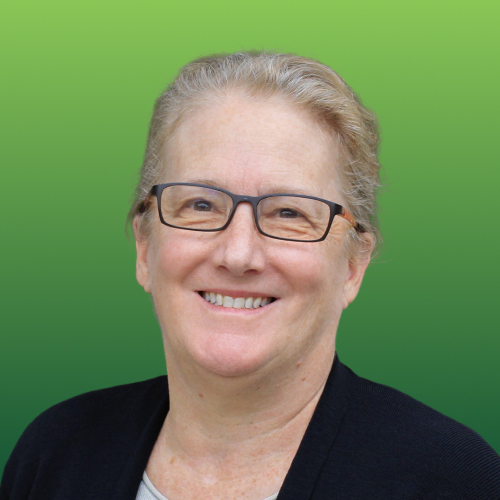
Founder CEO & CIO, Terra Global
Leveraging 20 years of experience in the financial industry, Leslie Durschinger founded Terra Global in 2006 to attract private-sector capital to NbS. She is a recognized innovator in aligning development values and financially viable approaches to NbS. Under Durschinger’s leadership, Terra has become a leader in GHG quantification and financing commercially viable NbS programs that generate multiple-benefit emission reductions/removals. She launched an investment fund that provides that finances a diverse portfolio of NbS programs in developing countries. Durschinger is on the IETA Council, Verra VCS Program Advisory Group, and served on the REDD+ SES Committee and Verra VCS JNR-Expert WG.
Sessions:

Chief Programs Officer, Nia Tero
Margarita Mora is the Chief Programs Officer at Nia Tero, where she has played a pivotal role since the organization’s inception, helping shape its approach to building partnerships with Indigenous Peoples around the globe. Drawing on lessons from an extensive career spanning more than 25 years, she has helped advance Nia Tero’s mission by fostering equitable relationships among Indigenous Peoples, local communities, rural farmers, and environmental organizations across the Americas, Africa, Asia, and the Pacific. Her expertise includes grantmaking to grassroots organizations, advancing equitable benefit-sharing approaches, and strengthening governance systems that support Indigenous leadership, self-determination, and long-term guardianship of lands and waters.
Sessions:

Executive Director, Fundación Grupo Argos
She holds a Master’s degree in Sustainable International Development and a specialization in Environmental Conservation and Social Justice from Brandeis University in the United States. She has more than 20 years of experience designing sustainability strategies and developing social and environmental projects in Colombia and several Latin American countries — initiatives that are now benchmarks in Colombia and have earned international recognition. She also has an extensive track record at Grupo Empresarial Argos, where she has held sustainability roles and led several of the Group’s foundations, driving the consolidation and scaling of initiatives that have advanced the organization’s highest goals in international sustainability standards, climate change, natural capital conservation, and shared value creation. In a role of particular strategic significance, she led the formation of Sembrando Futuro, Grupo Empresarial Argos’ carbon project focused on ecological restoration — a strategic bet by the Group to advance nature-based climate solutions in Colombia.\
Sessions:
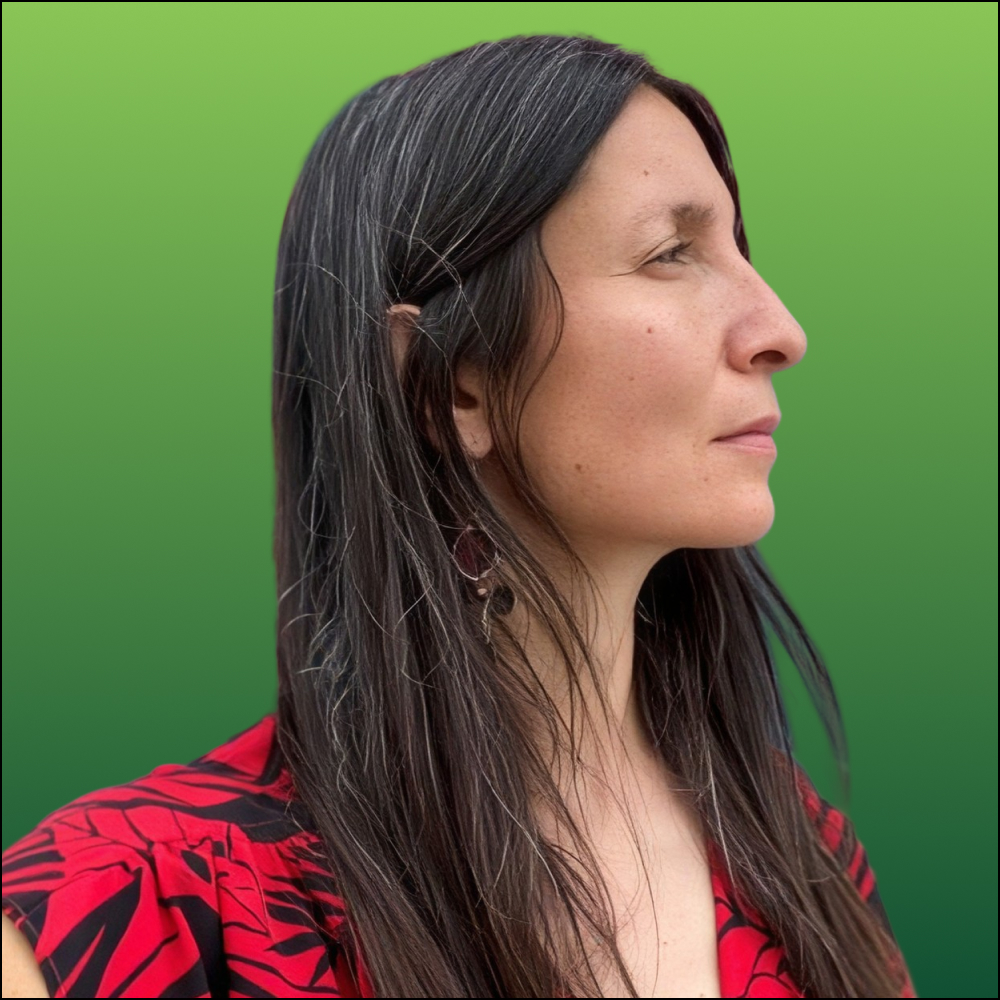
Global Advisor on Indigenous Peoples and Local Community Engagement and Partnerships, UNDP
Nina Kantcheva is the Global Advisor on Indigenous Peoples and Local Community Engagement and Partnerships at UNDP. She guides strategies to uphold and advance the rights of Indigenous Peoples and local communities in climate action, ensure their full and effective participation in climate policy, promote Indigenous traditional knowledge, and develop partnerships and programs that channel resources to proven guardians of nature, including through engagement with the private sector and philanthropy. Nina advises organizations such as Tribal Link Foundation, and is on the Board of Ofrenda Fest, helping bridge alliances between Indigenous Peoples, allies, and the UN. In the early 2010’s, she co-founded Tushevs Aerials, a pioneering initiative dedicated to democratizing remote sensing technology for Indigenous Peoples and organizations working toward environmental and humanitarian goals. Originally from Bulgaria, Nina speaks six languages and holds a master’s degree from The New School University in New York City.
Sessions:

Monitoring, Evaluation and Learning Manager, International Land and Forest Tenure Facility
Raymond Achu Samndong is the Monitoring, Evaluation and Learning Manager at the International Land and Forest Tenure Facility in Stockholm. He has extensive experience in land and forest governance, Indigenous Peoples’ and local communities’ tenure rights, climate change, and land use interventions. Raymond holds a PhD in International Environment and Development Studies from the Norwegian University of Life Sciences. His work bridges research, policy, and practice, with particular expertise in the Congo Basin, and focuses on strengthening evidence and learning to advance Indigenous and local community land rights and territorial governance.
Sessions:

CEO, Carbon Growth Partners
Rich is one of the world's leading climate and conservation finance professionals and a trusted voice in global carbon markets. He has conceived, designed and delivered hundreds of millions of dollars in climate and natural capital investments. A blue carbon specialist with 30 years of experience across financial markets, climate change, and conservation, he has led teams to win the Prime Minister's Australian Environmentalist of the Year Award and the Google Impact Prize, among other awards. Rich holds a Master’s in Environmental Management and serves as a Director of sustainable agriculture investment firm Tiverton Global.
Sessions:

CEO and co-founder, Kanop
Romain Fau is CEO and co-founder of Kanop, a satellite and AI-based MRV platform for nature-based carbon projects. Kanop measures biomass, canopy dynamics and forest carbon from 10m satellite data, supporting project developers, corporates and verification bodies across the full project lifecycle, from eligibility screening through baselining to monitoring. Kanop is a Verra Listed Data Provider for VM0047 and works with organisations including WWF Switzerland, Ecosia and Terraformation. Romain founded Kanop to make forest carbon measurement transparent, comparable and affordable enough to be used everywhere it is needed.
Sessions:

Chief Operating Officer, NO.17 Foundation
Saurabh Gaidhani is the Chief Operating Officer of NO.17 Foundation, a member of TPC (Tsao Pao Chee) Group. Saurabh has 15+ years of experience in the international development and philanthropy sector. During which, he has advised clients from the public, private, and philanthropy sectors on diverse topics such as climate change, circular economy, net-zero, energy transitions, decarbonization, nature-based solutions, urban development, inclusive growth, environmental degradation, and ESG frameworks. Saurabh has an Executive Master of Business Administration and Master of Arts from the National University of Singapore and Executive Education in Public Policy and Sustainable Finance from the Lee Kuan Yew School of Public Policy and the University of Cambridge, respectively. Before joining TPC (Tsao Pao Chee), Saurabh was Regional Head at Resilient Cities Network and Associate Director at Rockefeller Foundation, leading the organization’s strategic engagement, programs, and partnerships in the Asia Pacific region.
Sessions:

Director, Global Restoration Initiative, World Resources Institute
In his current role as the Director of the Global Restoration Initiative at World Resources Institute (WRI), Sean DeWitt leads a talented team of restoration experts who drive coordination among governments, civil society, companies and communities to restore ecosystems and deliver benefits to communities, climate and nature. Sean previously worked for 15+ years in the private, public and nonprofit sectors. He supported women in Africa and Asia with microbusiness ideas at Grameen Foundation. He strengthened small businesses and small nonprofits at the Fund for the City of New York. He delivered innovative projects for the US Department of State in Africa, Asia and the Caribbean. Sean worked in the private sector with PwC as a Management Consultant and worked as an Industrial Engineer for Intel and the Walt Disney Company.
Sessions:

Senior Sourcing & Partnerships Manager for NBS, Climeworks
Sophia Wood is Senior Sourcing & Partnerships Manager for NBS at Climeworks Solutions, where she leads sourcing and portfolio strategy for nature-based carbon projects. She works closely with project developers, investors, and corporate clients worldwide to identify, evaluate, and scale high-integrity carbon removal and avoidance projects. With nearly ten years of experience in environmental management and carbon project development, Sophia has helped build and manage forest carbon initiatives across diverse geographies and contexts. Before joining Climeworks, she held leadership positions at Pachama and rePLANET, where she focused on developing projects that combine strong climate outcomes with measurable benefits for communities and ecosystems. Drawing on experience from both project development and carbon procurement, Sophia brings a practical perspective on what it takes to build investable, scalable nature-based solutions. She is passionate about creating stronger links between project developers, capital providers, and corporate buyers to help accelerate the growth of a high-integrity carbon market.
Sessions:
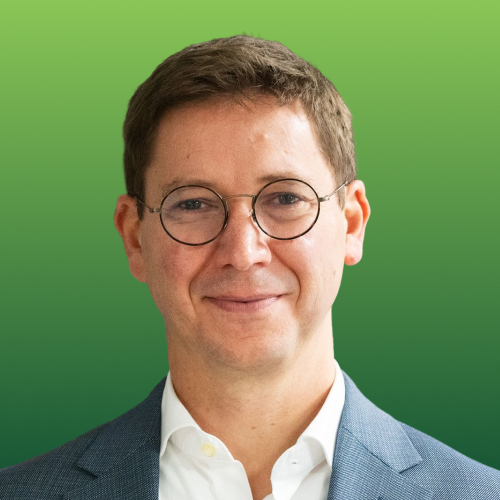
CEO, Reforest'Action
In 2010, Stéphane Hallaire traveled to Senegal, where he came across a reforestation project in a village in Casamance. There, he planted his first tree—a mango tree. When he returned to France, he left his consulting job to found Reforest’Action, convinced that ecosystem restoration could combine wealth creation with positive environmental impact. Fifteen years on, Reforest’Action helps companies worldwide transform their business models and value chains, particularly through the carbon market, via forestry and agroforestry projects. Today, Stéphane represents forest and agricultural landscapes in international forums and among global private-sector leaders. He plays a leading role in the Circular Bioeconomy Alliance, founded by King Charles III as part of the Sustainable Markets Initiative, and serves as President of the Nature+ Coalition, an international alliance dedicated to advancing Nature-based Solutions.
Sessions:
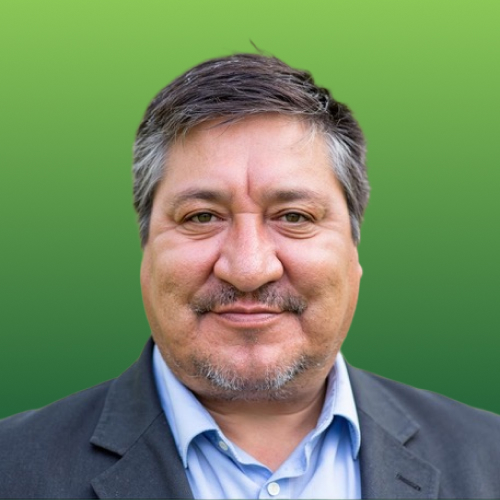
Executive Vice President, Nature for Justice
Steven Nitah is a respected Indigenous leader from the Łutsël K’é Dene First Nation, serving as Managing Director of First 30×30 Canada and Executive Vice President at Nature For Justice. He brings extensive experience in Indigenous-led conservation, land stewardship, and climate action. As Chief and Lead Negotiator, Steven helped establish Thaidene Nëné and advance a relationship agreement recognizing the Nation as an equal partner in governance, operations, and management. His work reflects the spirit and intent of Treaty relationships through shared responsibilities and benefits. Through First 30×30 Canada, Steven supports Indigenous governments in advancing conservation, protecting special places, and pursuing nature-based solutions.
Sessions:
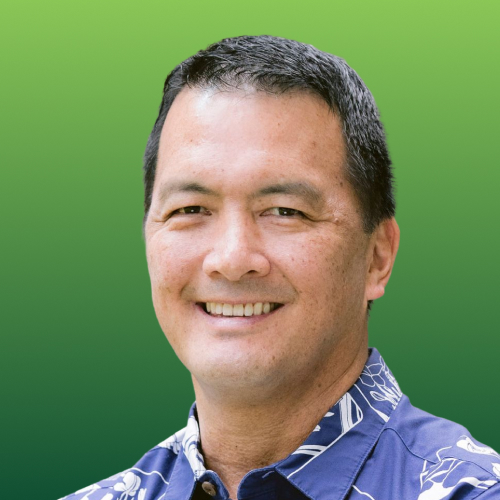
‘Iole
Todd Apo brings a multi-sector lens to climate and resilience work, rooted in extensive community engagement across the public, private, and philanthropic sectors. As CEO of ‘Iole—a Global Resilience Hub in Kohala, Hawai’i—he leads efforts to develop scalable, shareable models that integrate Indigenous Hawaiian knowledge with modern resilience practices. Grounded in this community-focused foundation, Todd works to translate complex regional challenges into practical, culturally integrated solutions that deliver lasting impact locally and globally.
Sessions:

Founder and Director, Carbon Justice Standard Lab
Tracey Osborne is the Founder and Director of the Carbon Justice Standard Lab and an Associate Professor at the University of California, Merced, with over two decades of experience working on climate change mitigation in tropical forests, carbon markets, climate finance, and climate justice. Her research and practice focus on the social, ecological, and political economic dimensions of forest-based climate solutions, with particular attention to Indigenous Peoples and local communities. Through the Carbon Justice Standard Lab, she and her team are developing a framework for high-integrity, community-led carbon projects that centers community leadership, governance, and equitable benefit-sharing.
Sessions:
Reforest the Future is an invitation-only summit. We review each application to ensure the room reflects a diverse set of stakeholders with the experience, expertise, and conviction to meaningfully contribute to the conversation.
Sessions across finance, tools and technology, and community
Cross-sector conversations grounded in experience
Hard-won lessons and diverse perspectives
Reforest the Future is a half-day summit taking place during New York Climate Week. Convened by Terraformation, it brings together practitioners, funders, community leaders, and indigenous voices to work through the financing, tools, and community systems that move reforestation forward at the pace and scale the planet needs.
Reforest the Future is designed for practitioners, funders, community leaders, indigenous voices, innovators, and corporate partners who are actively engaged in reforestation, whether you're early in your journey or have years of field experience.
No, the event is free.
Reforest the Future brings together a curated audience of reforestation stakeholders. We review each application to ensure the room reflects a diverse set of voices with the experience, expertise, and dedication to meaningfully contribute to the conversation. You'll hear from us shortly with an update on your application.
Reforest the Future takes place on September 22, 2026, from 8:00 AM to 2:00 PM, near Bryant Park in New York City, during New York Climate Week. The exact location will be shared with confirmed attendees.
Sign up for the Terraformation newsletter to stay informed on key takeaways, announcements, and future events.
If your organization is interested in partnering with Terraformation for Reforest the Future, please reach out to us directly at partnership@terraformation.com. We'll be in touch to explore how we can work together.
When a forest comes back, everything comes back with it: species, watersheds, livelihoods, and the communities whose futures are bound up in the land. The scale of reforestation the planet needs and the pace at which it's happening are nowhere close. We know this.
So how do we accelerate the pace and scale of reforestation?
Taking place during New York Climate Week, Reforest the Future brings together practitioners, funders, community leaders, and indigenous voices to actively tackle that question together.
Three concurrent tracks running in parallel, each designed to advance thinking in a critical dimension of reforestation at scale.
TRACK 01: FINANCE
Investment models, blended finance, and how capital structures can move restoration from concept to funded and delivering on the ground.
TRACK 02: TOOLS, TECH & TRAINING
Seed systems, project deployment, monitoring technology, and the training pipelines needed to build real capacity.
TRACK 03: COMMUNITIES
Indigenous leadership, community ownership, and what it genuinely takes to make restoration equitable, locally rooted, and built to last.
Program and speaker info coming soon.
Every delegate is here because they are moving something forward.
Organizations with active reforestation programs and boots on the ground.
Philanthropies, impact investors, and blended finance partners deploying capital into restoration.
Companies with real supply chain and nature commitments and the mandate to follow through.
Building the tools, technology, and training infrastructure that makes restoration at scale possible.
Indigenous and local community representatives who hold the land rights and generational knowledge.
Fellow project developers, standards bodies, and practitioners who understand delivery.
Reforest the Future brings together stakeholders across the reforestation ecosystem to share hard-won lessons, examine diverse perspectives, and work through finance, delivery, and community systems together.
Make meaningful connections with practitioners, funders, community leaders, and partners working across the different dimensions of restoration
Contribute to the collective thinking on how reforestation gets financed, delivered, and owned
Turn insights and discussions into tangible progress, with conversations grounded in what restoration demands across the sector
Reforest the Future is an invitation-only summit. We review each application to ensure the room reflects a diverse set of stakeholders with the experience, expertise, and conviction to meaningfully contribute to the conversation.
Terraformation builds the enabling layer for the global reforestation movement. We equip the people closest to the world's forests — local communities and forestry organizations — with the tools, training, finance, and innovation they need.


.png)
.png)